**Triggering Content (child abuse)
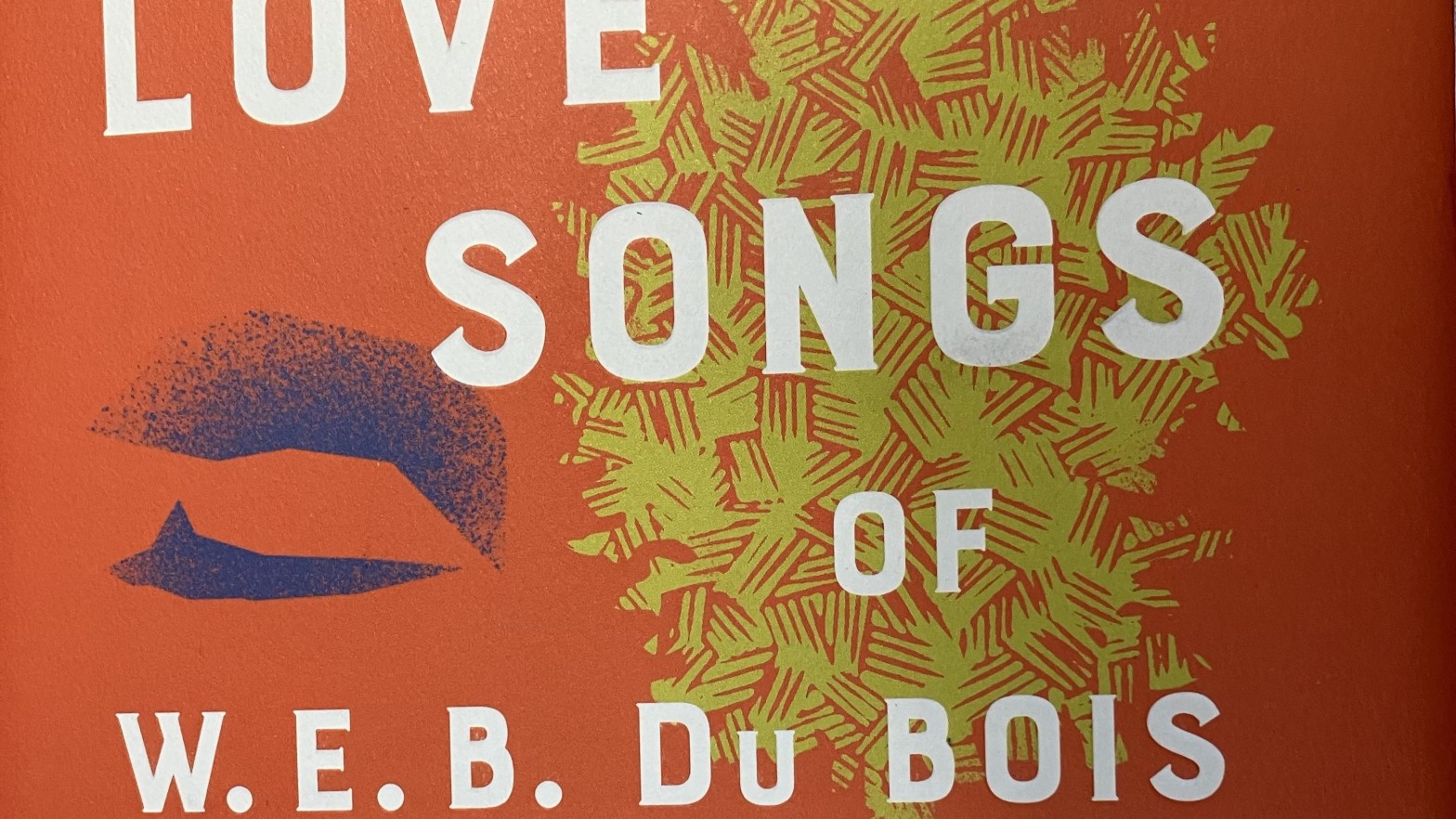
Longlisted for the 2021 National Book Award (yes, people, I’m still catching up on early pandemic booklists), Honorée Fanonne Jeffers’ novel The Love Songs of W. E. B. Du Bois has given us an immensely rich novel, one that hooked me with the depth and drama of a Black family spanning the history of America. The structure is complex, opening most of the eleven sections with the protagonist’s ancestors surviving (or fleeing) slavery and the colonization of Indigenous communities. But no matter how far back in time we travel, Jeffers always returns us to a young Black woman, Ailey Garfield. From her 1970s childhood, the novel follows her into middle age as Jeffers explores—and expands—the Bildungsroman, asking whether coming-of-age can, for some of us, extend well into adulthood.
There are flourishes of melodrama that fans of Tayari Jones and Robert Jones, Jr. will appreciate. Melodrama is a genre that has fallen in and out of favor for centuries. A quick primer for anyone feeling a little rusty on this: Melodrama centers on heightened emotions and often exaggerated or unlikely circumstances (think soap operas). It has often been employed to depict the lives and experiences of the oppressed.
Melodrama is risky for an artist. You have to hit the melodrama just right to get the tears flowing. Go too far, and you strain credulity and undermine precisely what you’re appealing for: the reader’s empathy. The most successful melodrama, in my view, is often written (or directed, or both) by LGBTQ+ artists who say things without saying them. Look at Douglas Sirk’s or Todd Haynes’ films or Daphne du Maurier’s work (Rebecca being the best known). All the drama is packed into the subtext until it briefly (and often literally) explodes into the text.
Toni Morrison’s novels were never far from my mind while reading Jeffers. Whereas Morrison’s fiction is often steeped in subtext, the lyrical prose screening horrors from the reader, and thereby intensifying our dread of discovering what lies beyond the beautiful sentences, Jeffers just says things. For some, this is no doubt refreshing. But for me, at times I felt the novel strained to include too much tragedy—encompassing child sex abuse, drug addiction, adultery, heart disease, and sexual assault. Without subtext, with a narrator perfectly ready to disclose all the details, it lost much of its emotional impact for me.
As an abuse survivor, I would argue it’s because it removes the reader from the emotional experience of so much trauma. Case in point: The novel depicts preschoolers as knowing that sex abuse is sex abuse and requiring a stated threat of violence in order to withhold this information from others. This does not align with the experience of many child abuse survivors. In fact, the greater part of the horror for survivors is that as children, we didn’t understand. We only recognize later, often much later. This is perfectly captured in Toni Morrison’s The Bluest Eye where all the horror is submerged in subtext, exactly where it lives for an abused child.
Still, the characters kept me reading. This is, after all, a love song, and characters are paired as sisters, mothers and daughters, elders and youth, and lovers. The novel is fiercely feminist, emphasizing Black and Indigenous women’s agency and power throughout history—and the ways men, especially white men, try to diminish that but never truly succeed.
This is a powerful novel that inevitably reminded me of Bernardine Evaristo’s Booker-winning Girl, Woman, Other. Both novels examine the way race is imagined as categories we can slot people into: either this, or that. But in Evaristo’s work, this binary thinking—which even her title challenges—leads to misunderstandings, isolation, and the misrepresentation of history and identity, which it falls to those in-between to correct for and connect across. In Jefferson’s novel, the binary—white people and everyone else—is an accepted fact. The family’s evil of child sex abuse springs from a white man and their wisdom from Indigenous and Black ancestors. This is not a novel of bridges, so much as of fences to keep evil out. There are many paths to heal from trauma. And in this novel, Jeffers presents one vision, one approach, grounded deep in the roots of American history.
 The Trailer Park MFA